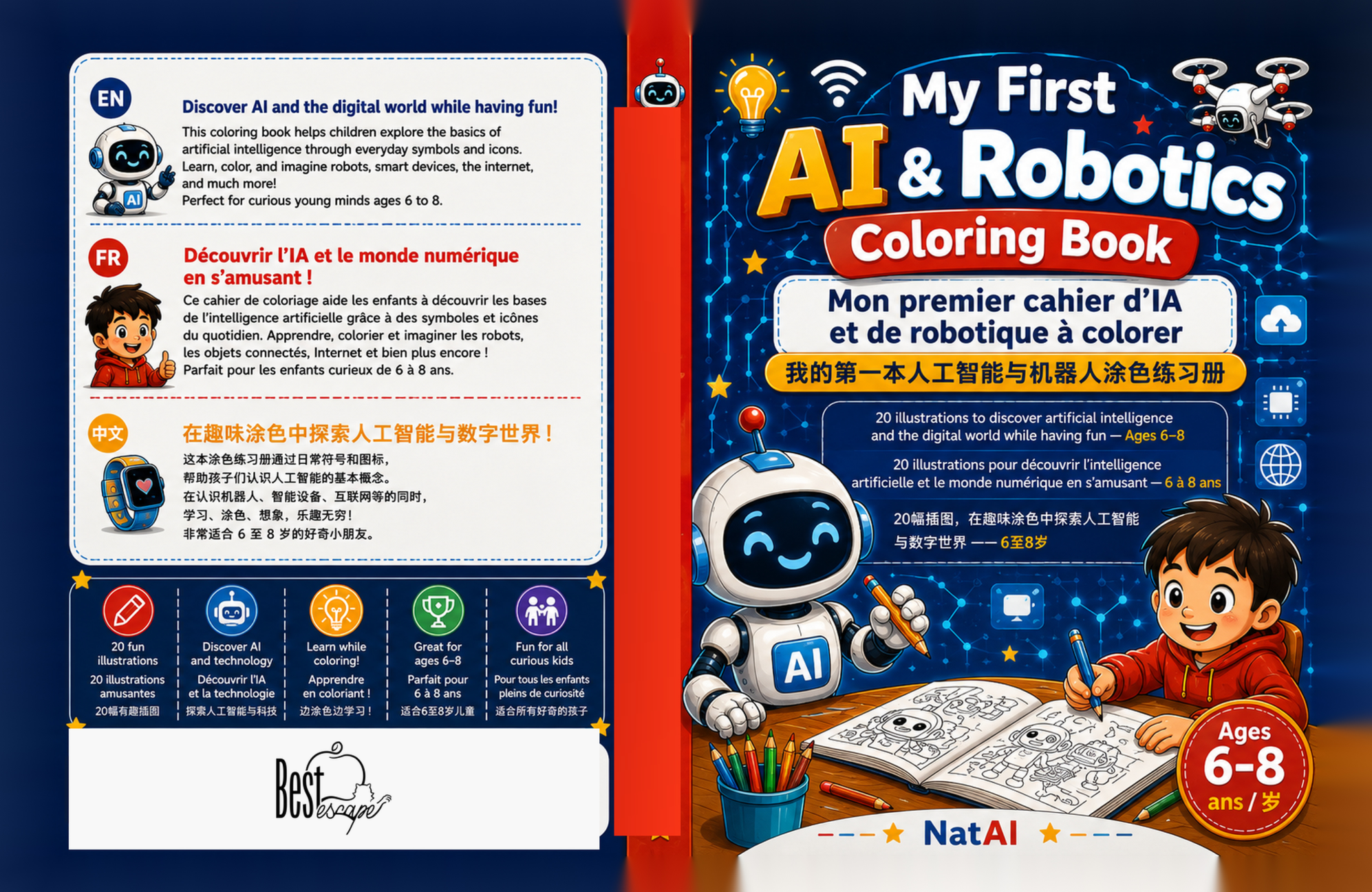
TOME 1 • DISCOVER
My First AI & Robotics Coloring Book
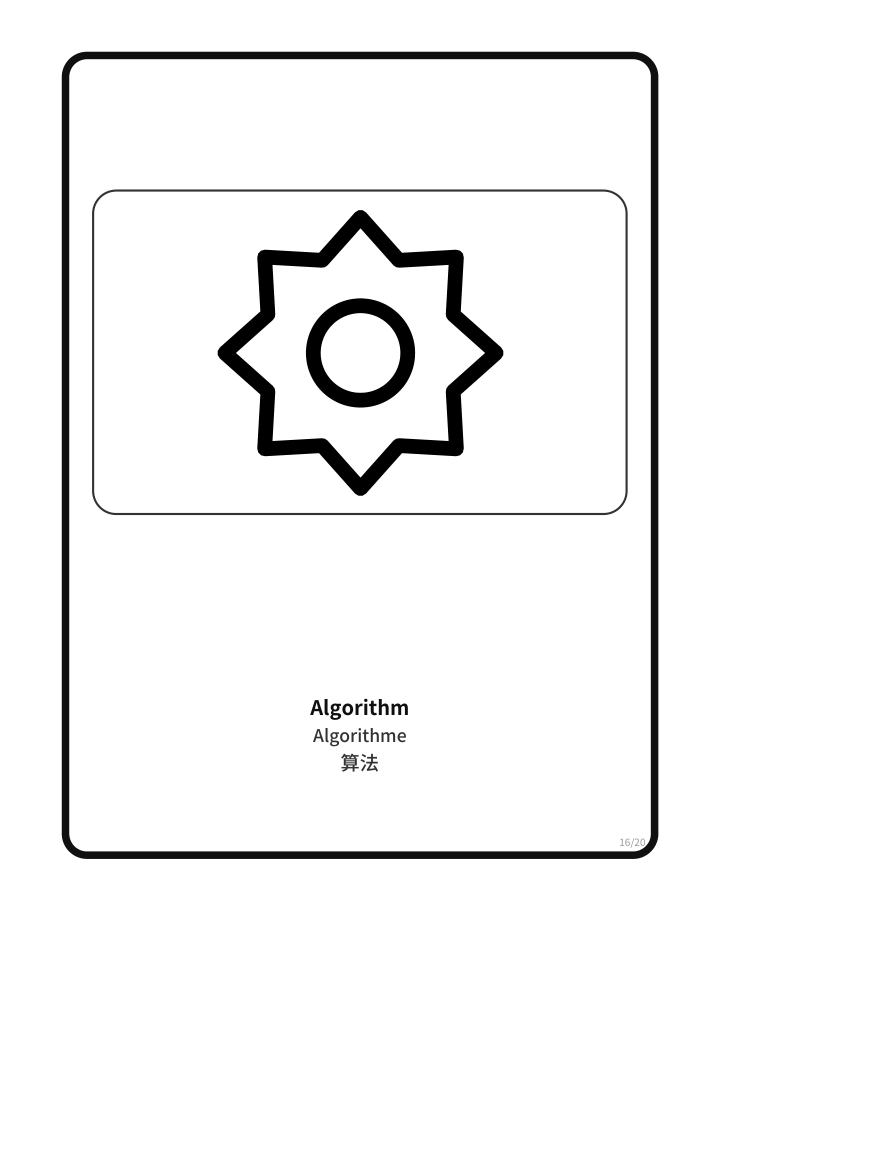
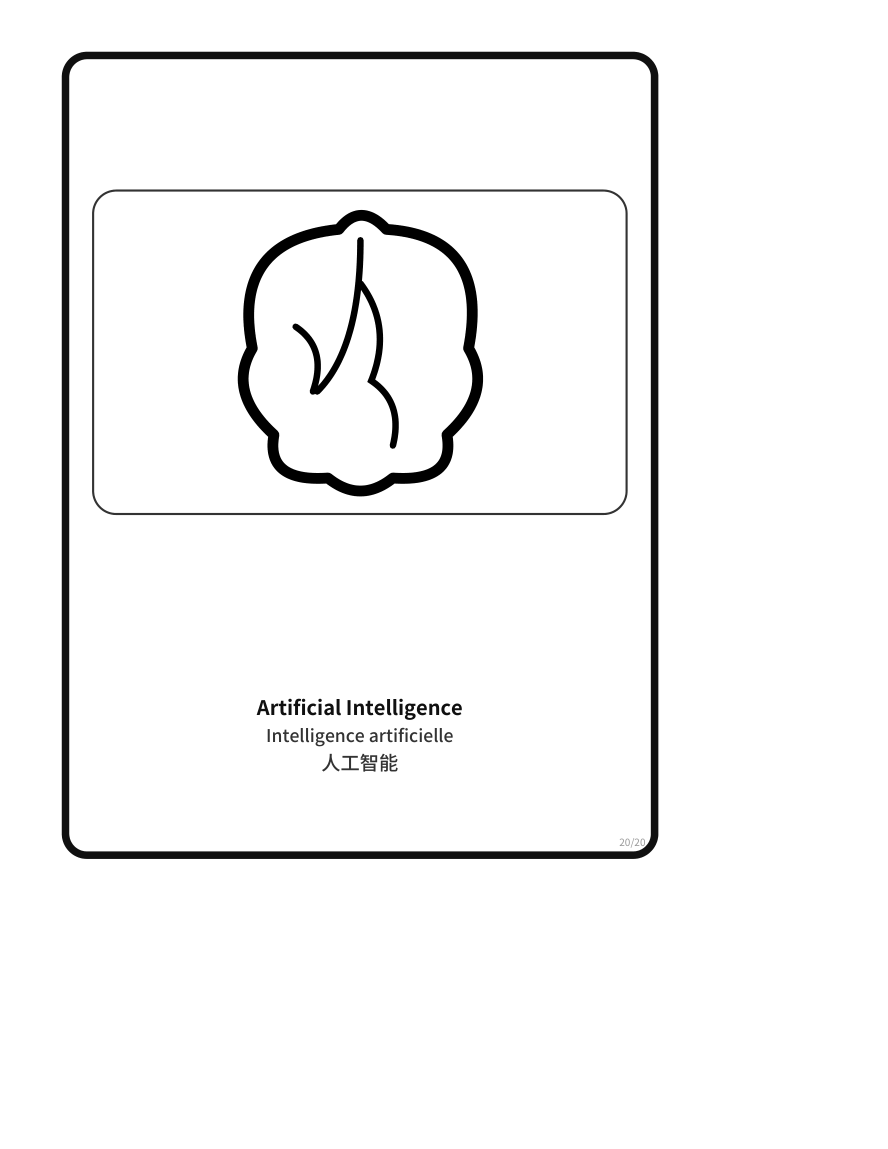
A first playful introduction to AI and the digital world through 20 illustrations and familiar symbols such as smart devices, robots, Wi‑Fi, algorithms and data.
Playful books that introduce children to artificial intelligence, robotics, technology, coding, logic and problem-solving — one small challenge at a time.
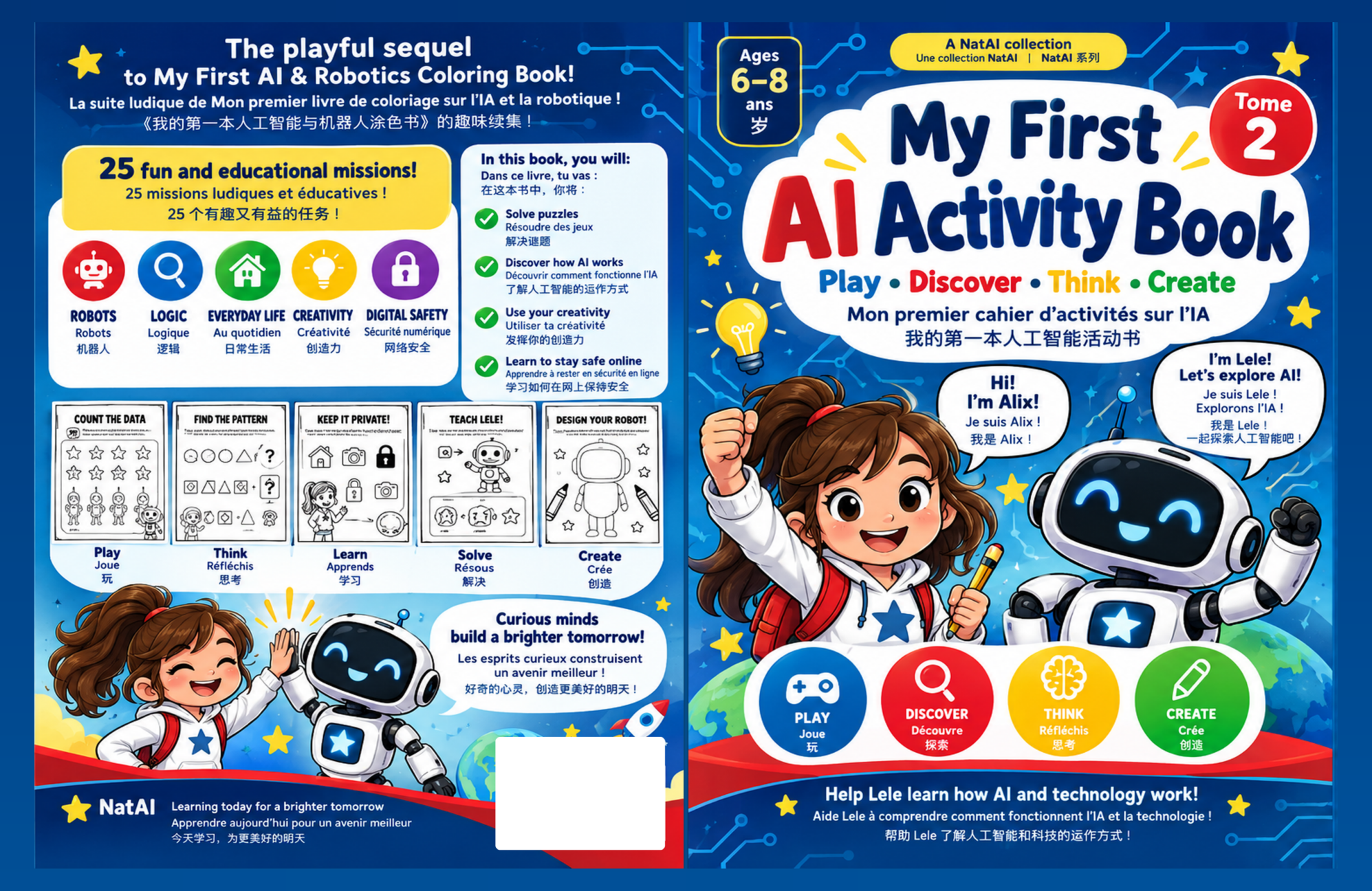
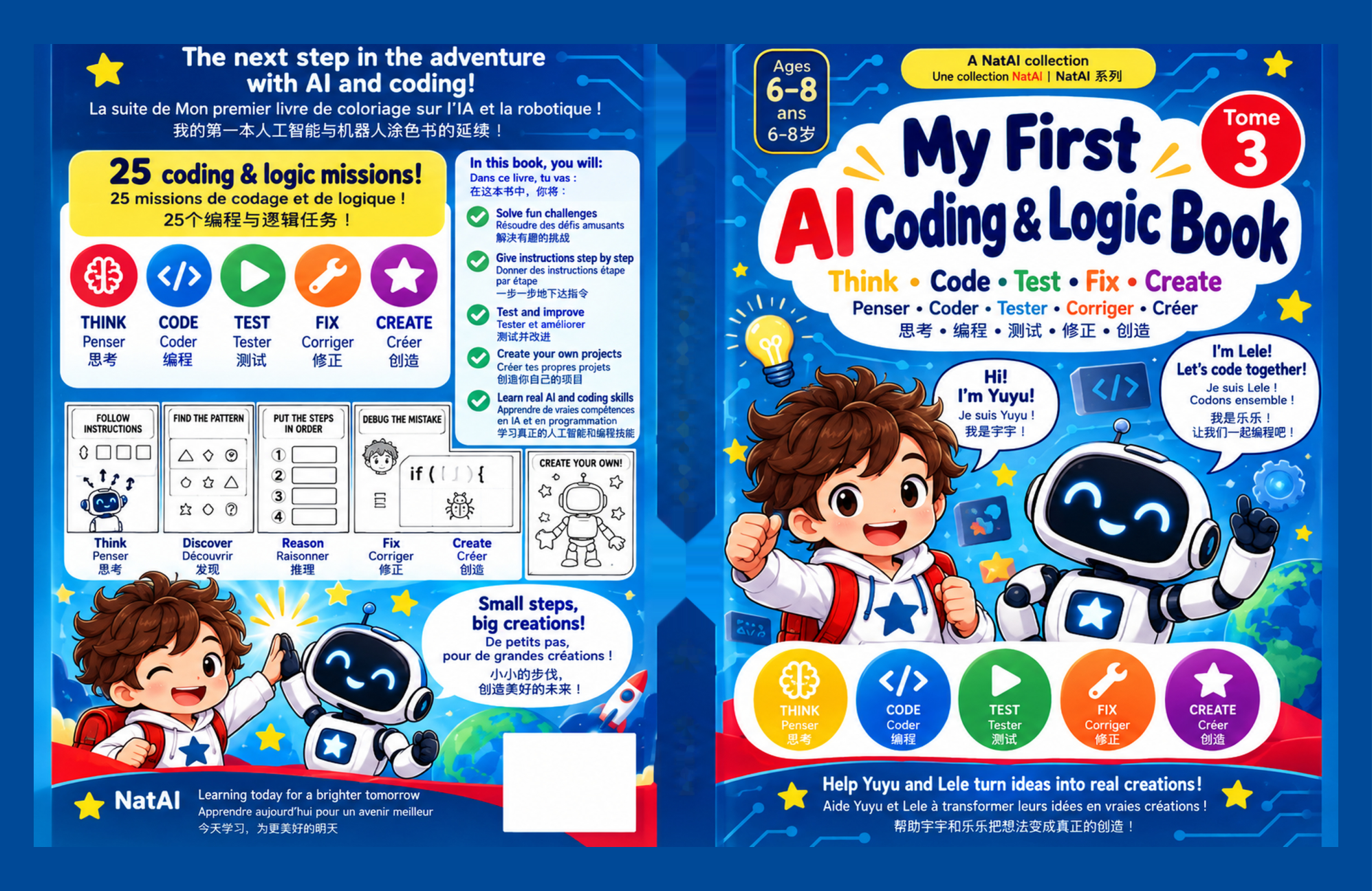
Each book is designed for ages 6–8 and builds familiarity with AI and technology through visual, hands-on activities. The collection moves from discovery and vocabulary to reasoning, then to coding-style thinking and debugging.
A first playful introduction to AI and the digital world through 20 illustrations and familiar symbols such as smart devices, robots, Wi‑Fi, algorithms and data.
Play • Discover • Think • Create — 25 fun and educational missions covering robots, logic, everyday technology, creativity and digital safety.
Think • Code • Test • Fix • Create — 25 missions that introduce patterns, sequences, commands, rules, debugging and simple program logic.
The goal is not to make children technology experts. The goal is to give them a clear, age-appropriate first language for understanding how digital tools, AI and simple programs work.
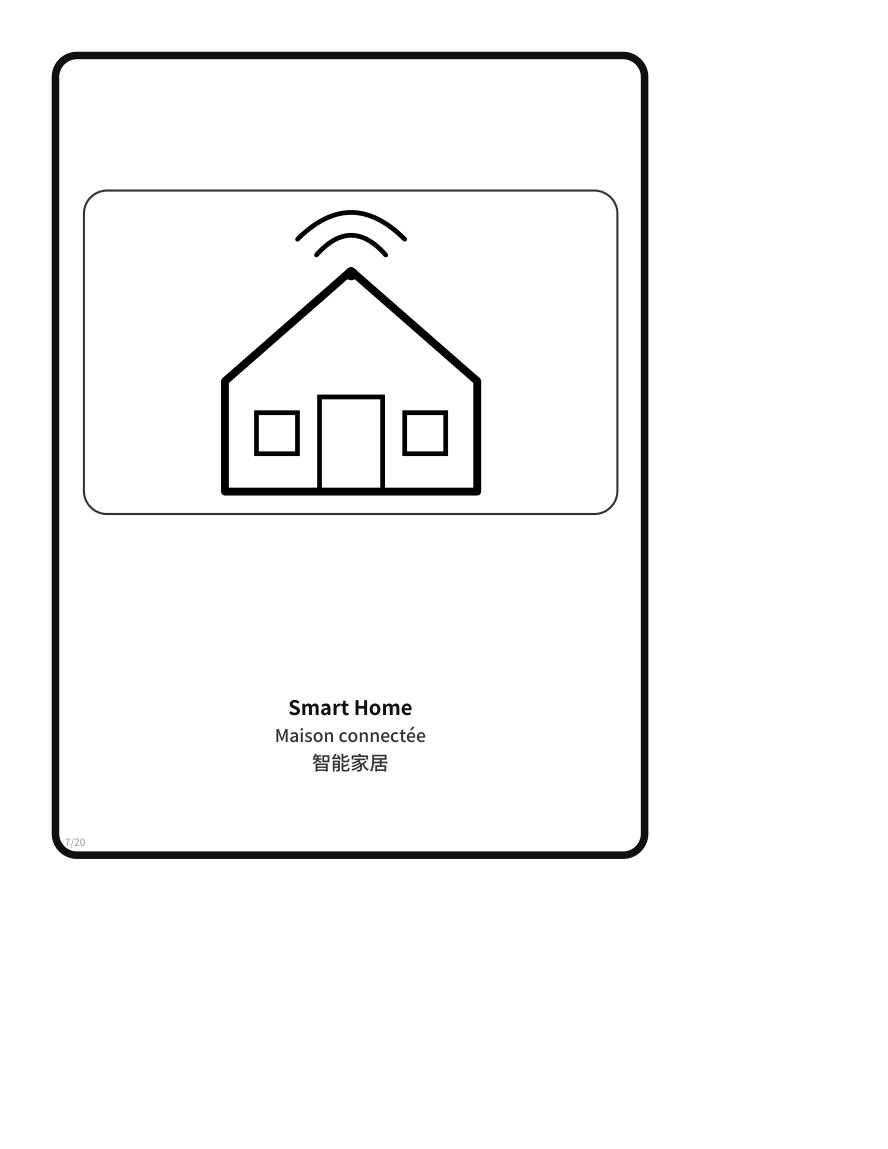
These examples are taken from the supplied book interiors. They show the progression from visual discovery to structured reasoning and coding-style problem solving.
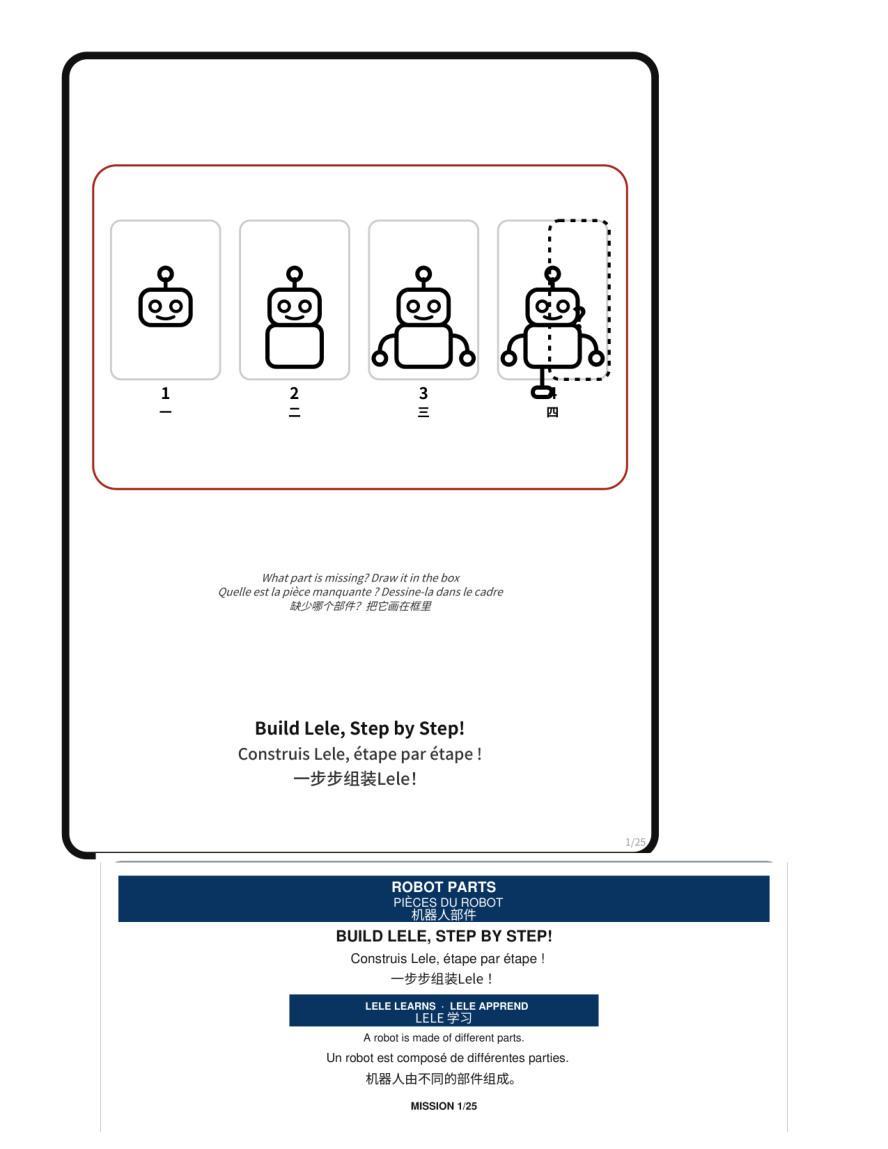
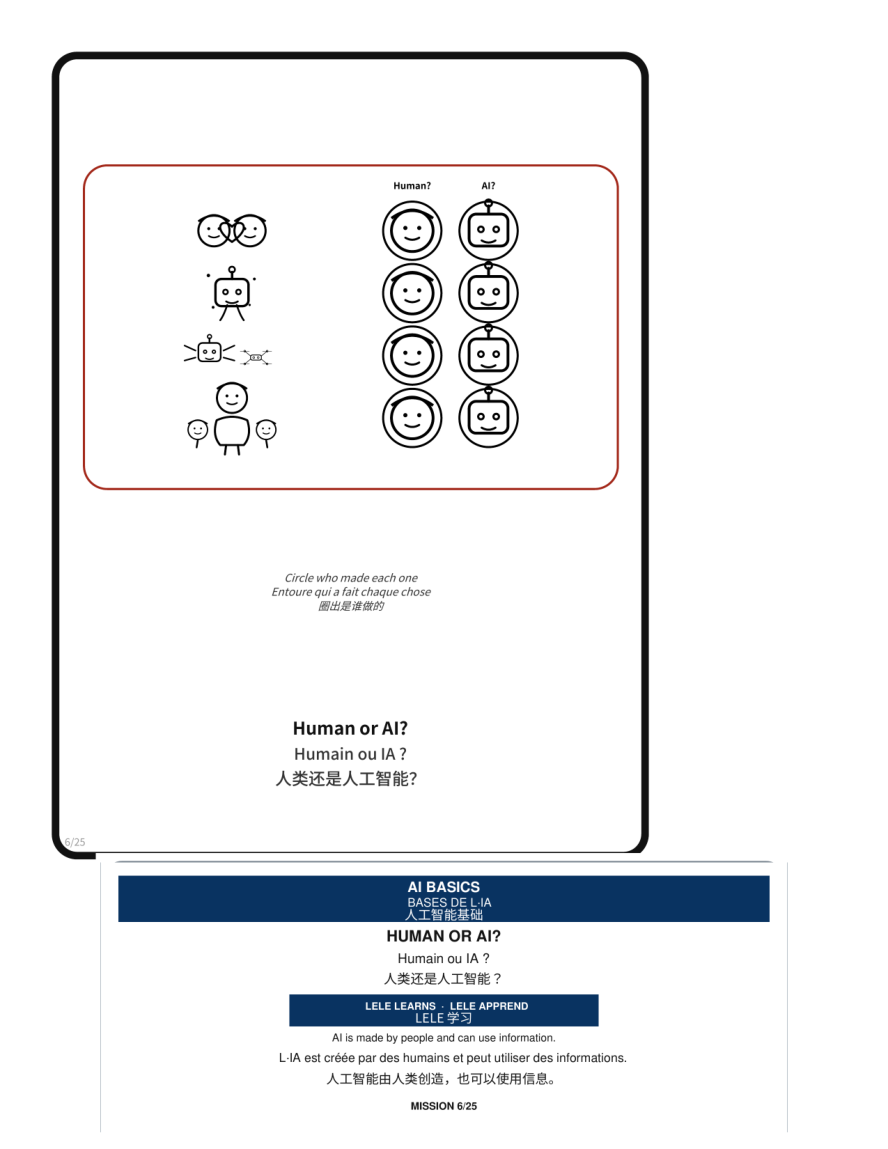
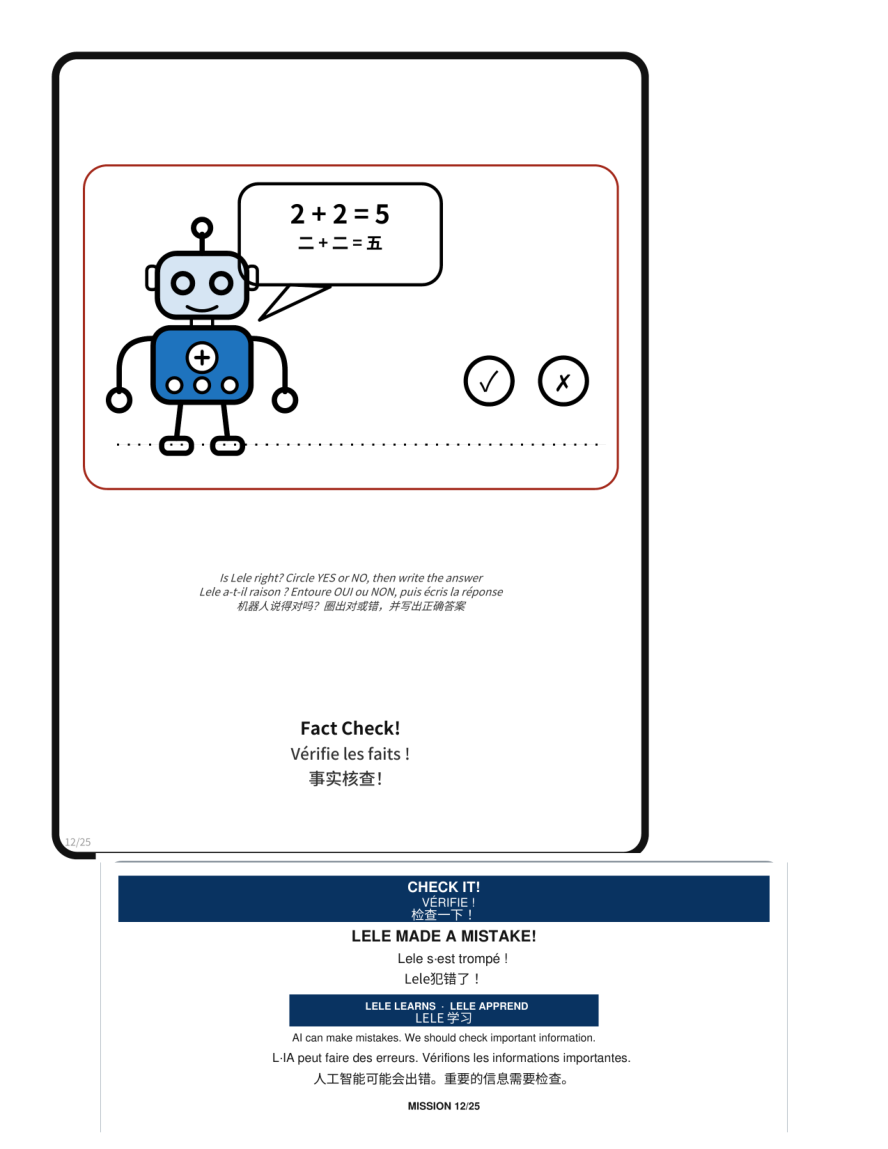
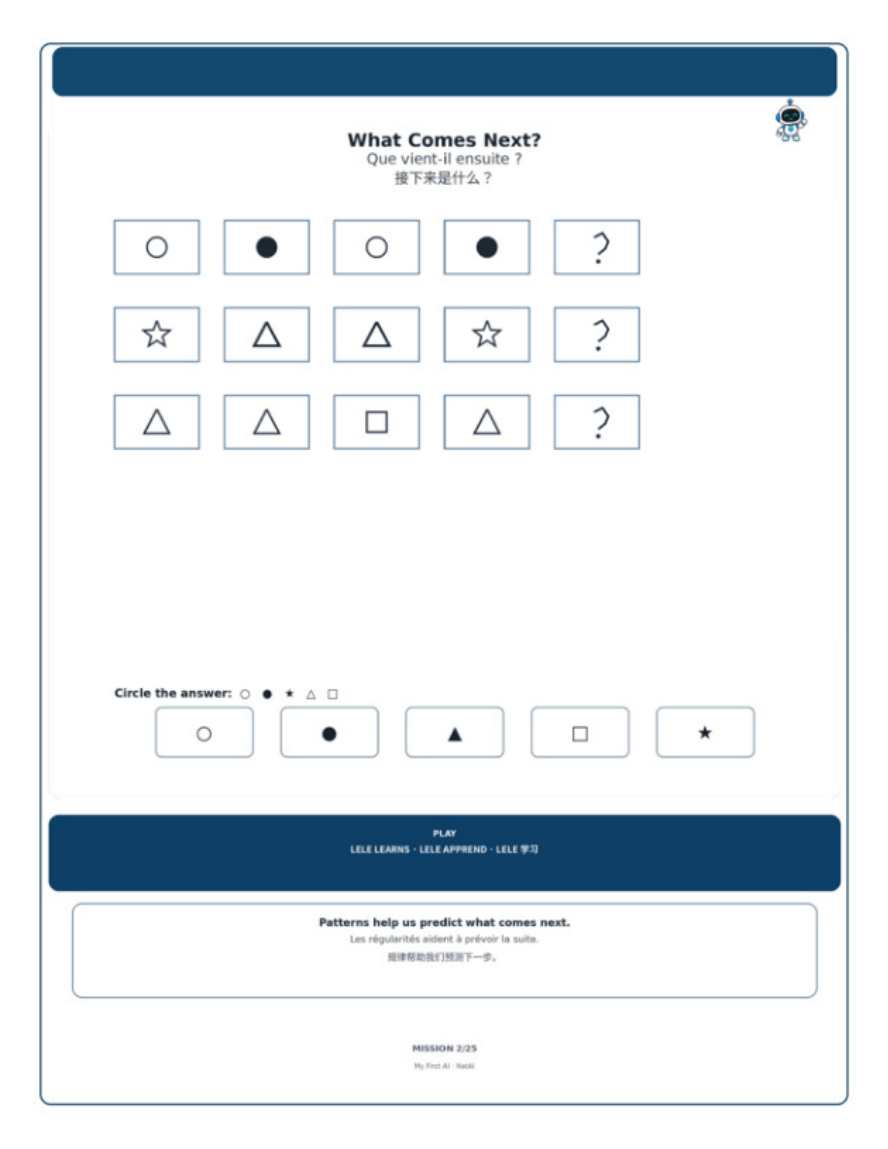
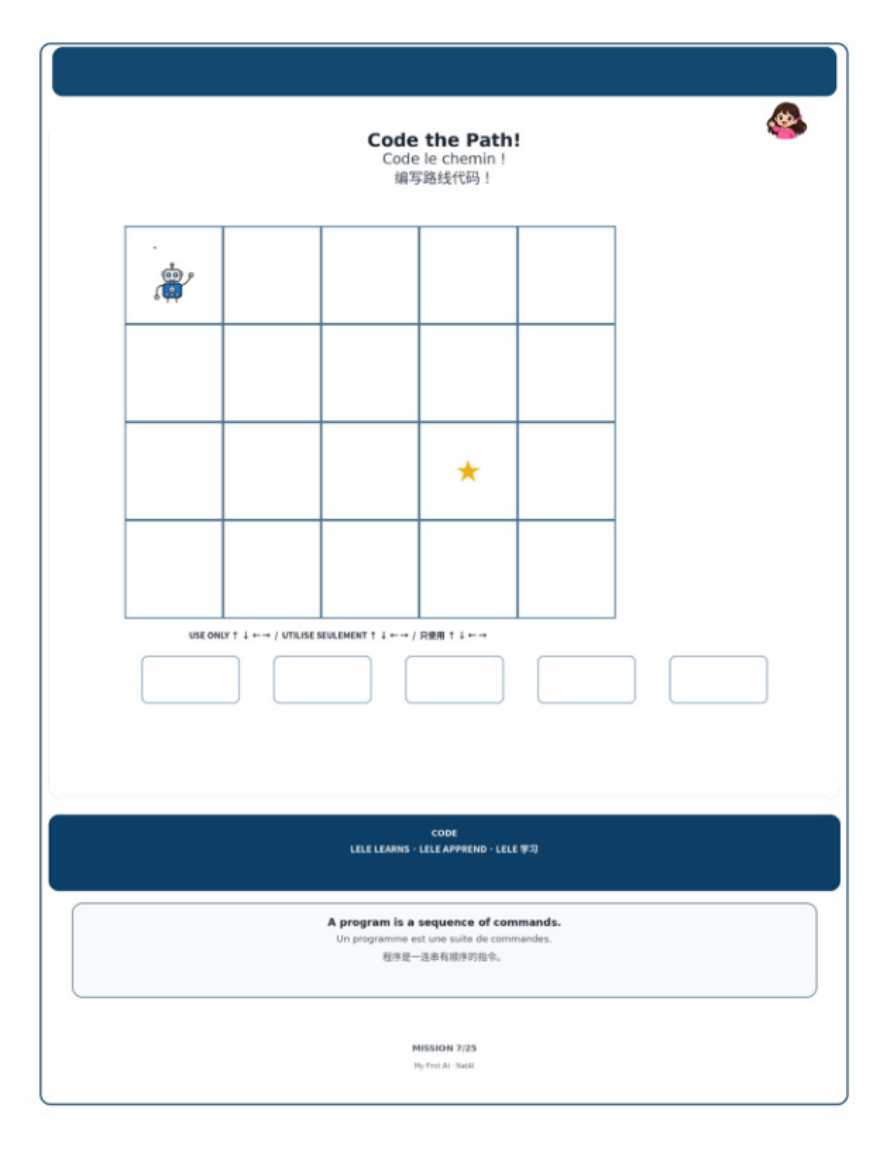
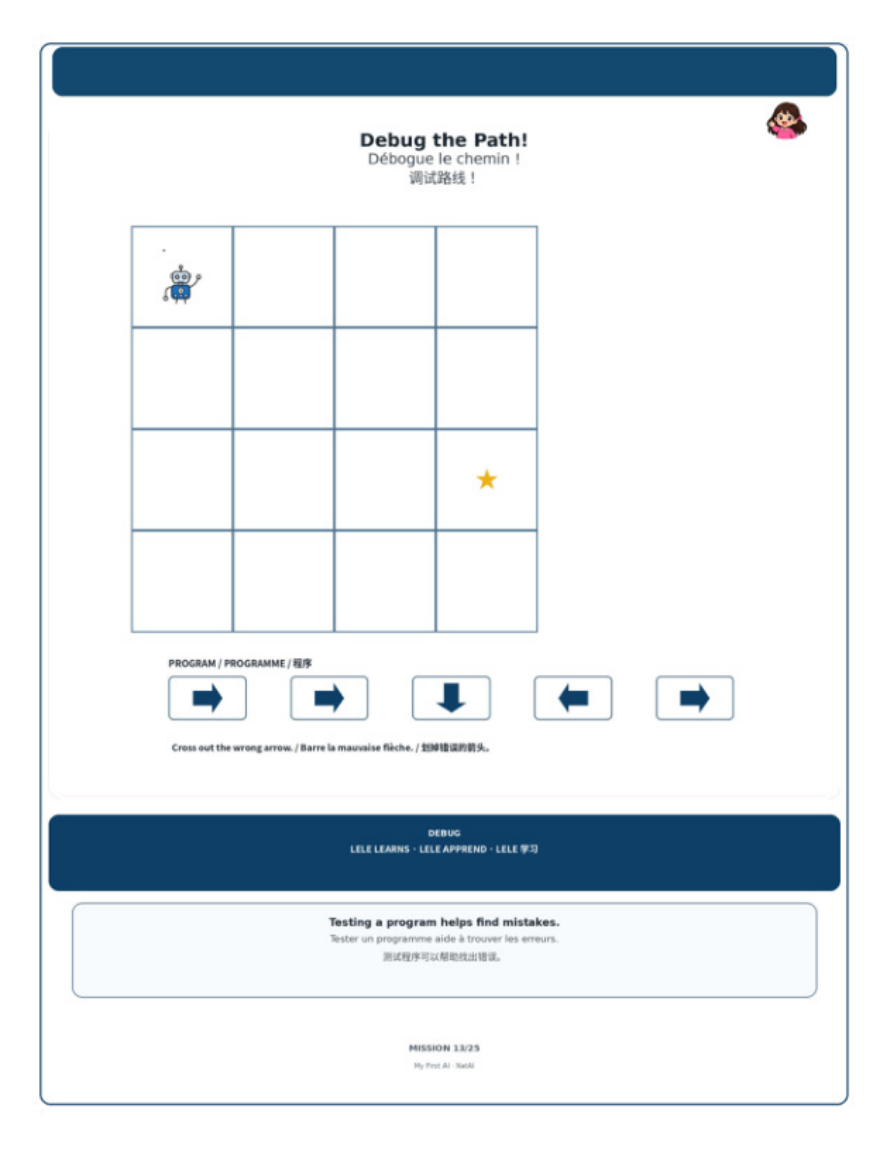
The collection follows a simple three-step progression: first recognise and name ideas from the digital world, then question and verify information, and finally give instructions, test them and correct errors.
20 illustrations help children become familiar with AI, robotics and the digital world.
25 missions introduce technology, data, digital safety, logic and creativity — including activities where children check whether a statement is true or false.
25 missions introduce commands, sequences, conditions, repetition and debugging through concrete challenges.
The activities are intentionally concrete. A child can color, circle, connect, sequence, choose, draw or write commands — while an adult can use the page as a starting point for a short conversation.
What do you notice? How do you know this is the right answer? What happens if we change one step?
Children can work individually, in pairs or in groups, then explain, compare and correct their solutions.
Try another way, find the error, explain the solution, or invent a new rule, mission or solution.
NatAI BESTESCAPE creates screen-free activity books for curious young learners who are growing up alongside AI and digital technology.
The collection is built around a simple progression: Discover → Explore → Code & Reason. Across the three volumes, children observe, identify, reason, verify, debug and create through playful characters, short missions and visual challenges.
About the author: Nathalie Pitois is bilingual in English and French and develops her educational projects under NatAI BESTESCAPE. She has more than 10 years of experience teaching English at primary, secondary and university levels within the French National Education system, and has also worked as a trainer and founder of an English tuition centre.
“Small steps, big ideas.”
A playful introduction to AI, coding and logical thinking — without requiring a screen.
Choose a volume and start the next little AI adventure.
Amazon.com direct product links are provided for each volume using the book ASINs.